After an early morning flight, we arrived at Boond’s offices in Unnao, and it was time to get our micro-grid on. We were greeted by Karan and Sourav, two Boond employees who volunteered their busy days to show us the micro-grids they had installed in the area. Karan handles the community development side, and Sourav, the engineer, oversees the technical aspects of the installation process. It did not take long to see that they had been working together for a while, and created a fun but hard working team. We piled into the car and made our way into the villages to see the recently installed micro-grids for ourselves.
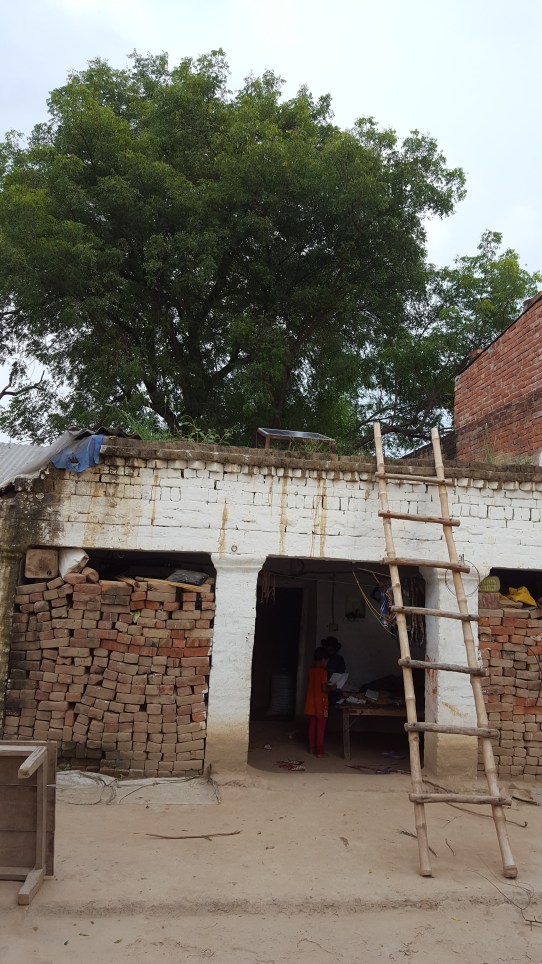
We went from house to house, asking the villagers various questions. How did they like the system? How much did they pay per month? What did they use the light for? How did this system change their lives? We got to see what an ideal candidate village looked like, and hear first hand how the system was working. Some families were spending as little as 30 rupees a month (less than 50 cents US), while the maximum spent was 150 rupees per month (roughly 2.4 USD). Some consumers loved it; they said their kids could now really study for school, and cooking at night was a much faster and easier process. Others said it was too expensive, and would rather go back to using kerosene. We sought explanations; what separated the experiences of those who loved the system and those who wanted it gone? Overall, the feedback was overwhelmingly positive, but even in the cases where users were unhappy, Karan openly explained their grievances and seemed more interested in fixing these issues than promoting Boond’s product.
It was apparent that those with a greater sense of energy conservation spent less money and liked the system more. Education, it seemed, was a key factor in this whole quest to bring renewable energy to a new community. In the US we expect uninterrupted access to electricity, as long as we pay for it. In rural India, it isn’t so simple. Consistent, reliable electricity is virtually non-existent, whether you pay for it or steal it from the existing grid. So why not steal electricity? There are no punitive repercussions, it’s unreliable and overpriced, and it belongs to a corrupt state government which, as a villager, you feel owes you for past transgressions. For rural electrification to catch on, a paradigm shift regarding the village perspective on electricity is necessary. In Unnao we watched this shift happen before our very eyes. As we went from home to home, Karan and Sourav translated, and we sweated. Despite our bodies being weighed down by our perspiration-soaked clothes, our minds were soaring. We could see the social and environmental benefits that the micro-grid has to offer, and we were infatuated.
-Adam
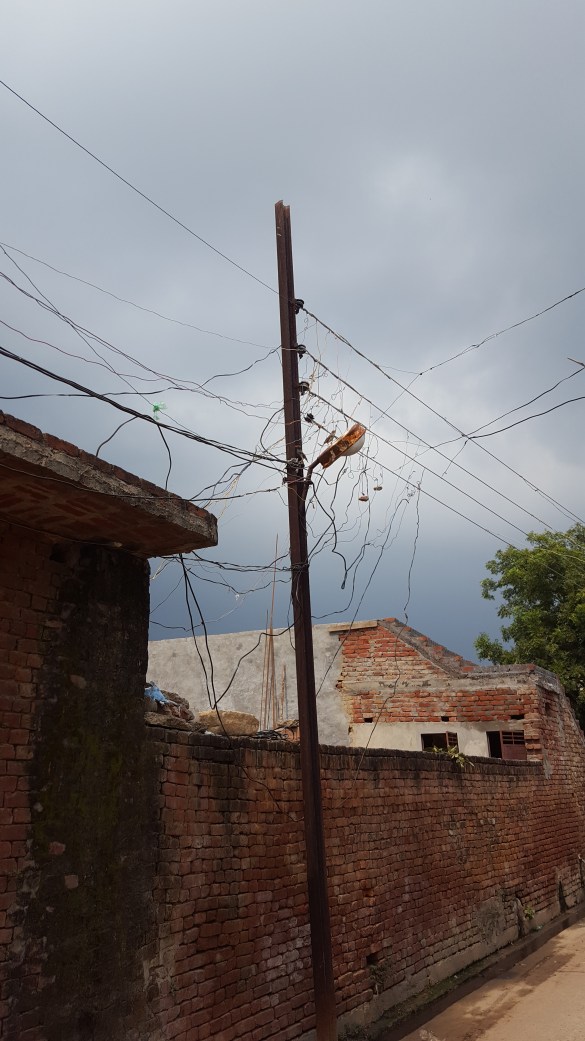
We already knew the basics of what a micro-grid was and how it worked before we arrived in Unnao. I had studied them in college for a paper I wrote about the effects of renewable energy on development in India, and Tarun had explained why Boond had adopted this technology. However, we were missing all the intangible factors and the personal testimonies that are essential to making this kind of decision. Seeing multiple micro-grids first hand left us no doubt that we had found a superior technology and payment system, which was much better suited for rural India.
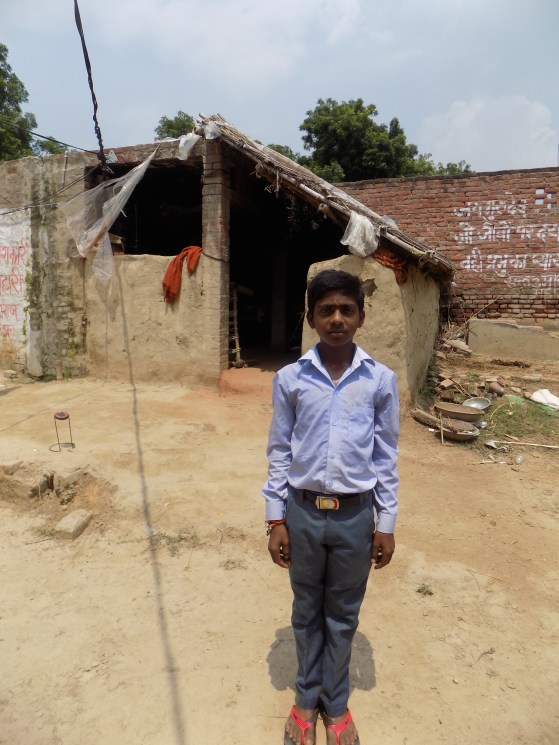
The first thing that struck me about the Boond micro-grid was its quality. I half assumed we were going to find solar panels attached to a flimsy network of wires. This was not the case. The solar displays are well mounted and the panels are Indian made. The CCS, central charging station, is clean and sophisticated. The actual grid network uses high quality power lines, which exceed Indian government quality. Boond even installs its own metal utility poles. The energy meters, installed in each user’s house, are easy to read and update in real time. The LED lights and the power socket look great in the houses, and provide better than market quality luminosity. They had created a grid worthy of any neighborhood in India, and they had done it in poor rural villages. We were very impressed.
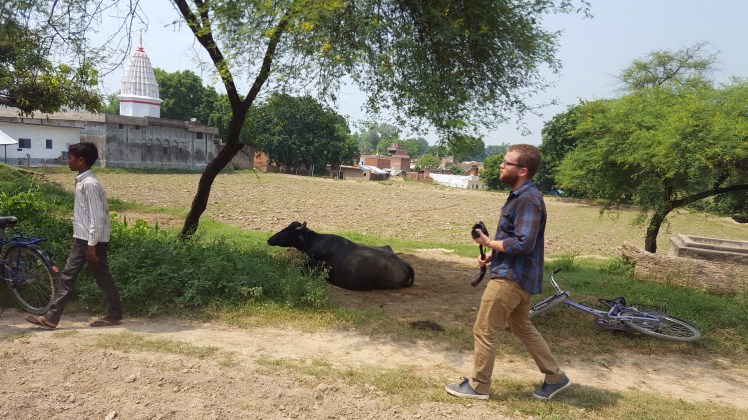
The grid is cool, but the system they created to make it sustainable and successful in such a difficult environment is even better. Boond can monitor the system remotely because it is connected to the Internet. So if there is a problem with the grid, Boond can isolate the problem and communicate with a local technician to repair the issue. They can also collect data about how much energy the system is producing and how much each consumer purchases. Also, because the system uses DC current, it is very difficult to steal electricity, which is common throughout India. Even more importantly, they use a novel payment method for energy consumption. Their micro-grid utilizes pay-as-you-go technology to sell electricity. Meaning, they do not have to go door-to-door to collect payments from the users. Instead, users go to the entrepreneur to purchase electricity when they are in need and have at least one rupee. I could write an entire blog post about how hard it is to collect payments in the villages, but suffice it to say it can be very difficult. We left Unnao knowing we had a real solution to electrification, and not just a stopgap measure to provide electricity until the government found one.
-Camden
For even more details regarding how the micro-grid works, check out the Project Details page.
 The Village Solar Project
Great introduction to pros and cons of the micro-grid system!!!
LikeLike